Issues and Articles
Read current and archived issue records with stable links to article pages and citation context.

Scholarship, policy, and practice
The Journal of Research Administration connects preserved journal records with a focused destination for research administration scholarship, policy, and practical insight. Explore current and archived issues, review transparent editorial standards, or move into topic resources built for the research enterprise.
 journal of research administration

Use the current issue for the newest published volume, the archive for verified historical issues, and article pages for citation details, access, licensing, and visible post-publication notices.
Historical records retain their original routes and issue context. Metadata and accessibility can improve without silently changing a published study’s methods, results, or conclusions.
Explore the journal
Move directly to the record, policy, or subject area that answers your question.
Read current and archived issue records with stable links to article pages and citation context.
Check scope, submission requirements, review, fees, licensing, accessibility, and publication ethics before submitting.
Use substantial topic hubs to connect definitions, policy, operational practice, and related editorial explainers.
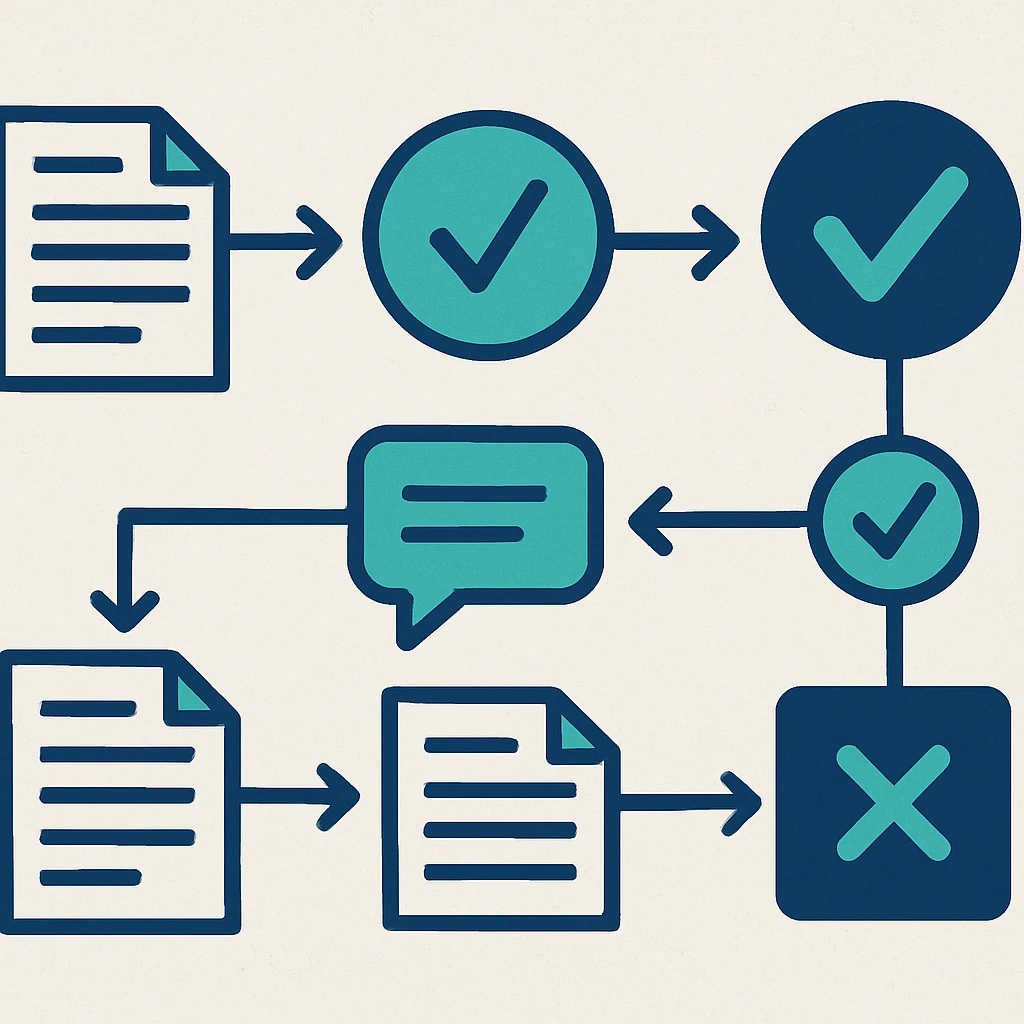
Research administration spans funding strategy, pre-award and post-award operations, research finance, compliance, integrity, data, security, clinical research, policy, technology transfer, and evaluation.
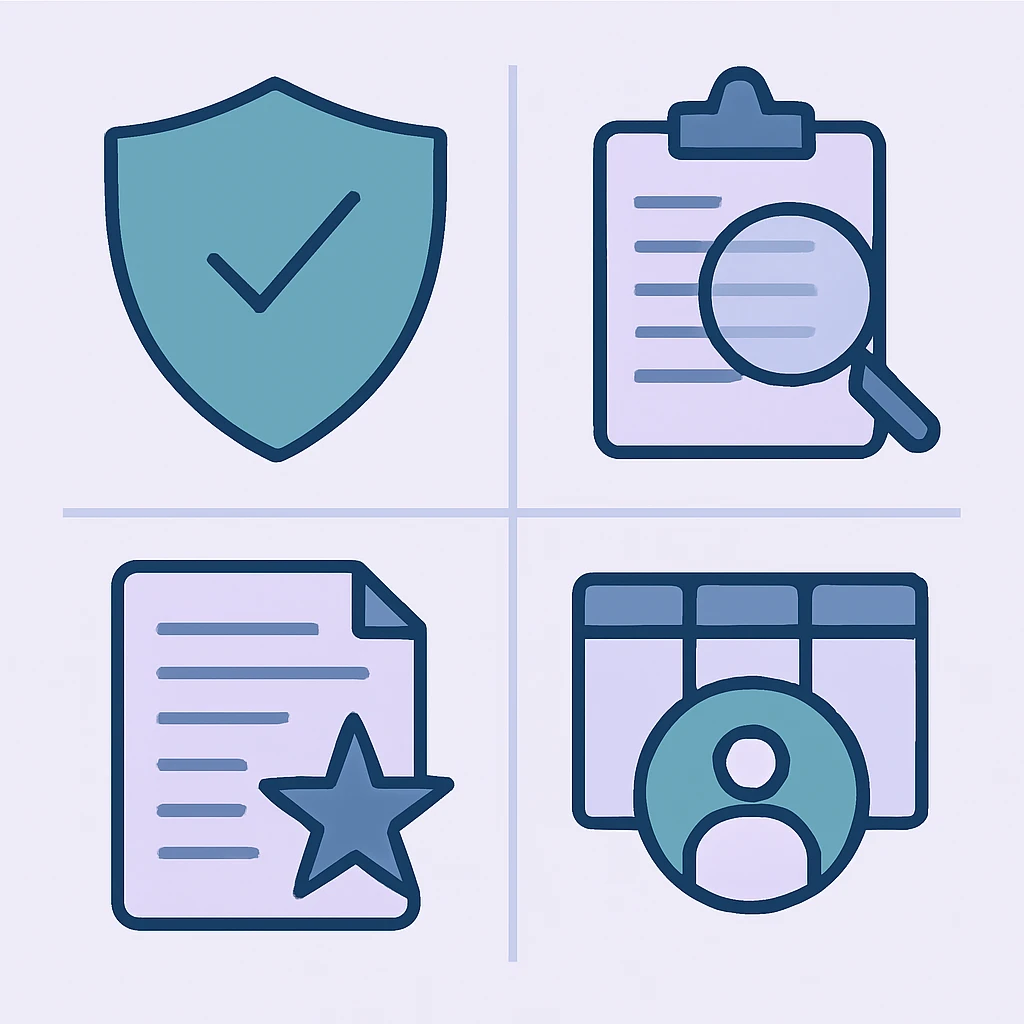
The public policy set addresses editorial governance, aims and scope, peer review, publication ethics, corrections and retractions, access and licensing, fees, archiving, ownership, complaints, privacy, and accessibility.
The journal does not imply an affiliation, indexing status, identifier, license, or right that cannot be verified. Readers and contributors can assess the journal through visible records rather than unsupported badges or broad claims.

Research Administration Insights offers non-peer-reviewed explainers on grant lifecycles, budgets, compliance, data, security, finance, clinical research, technology transfer, metrics, and future priorities.
Each article identifies its editorial status, publication date, review role, sources, and related journal resources so readers can understand how to use it.
Open the current issue, browse preserved volumes, check contributor policies, or explore a research administration topic.